Index Links
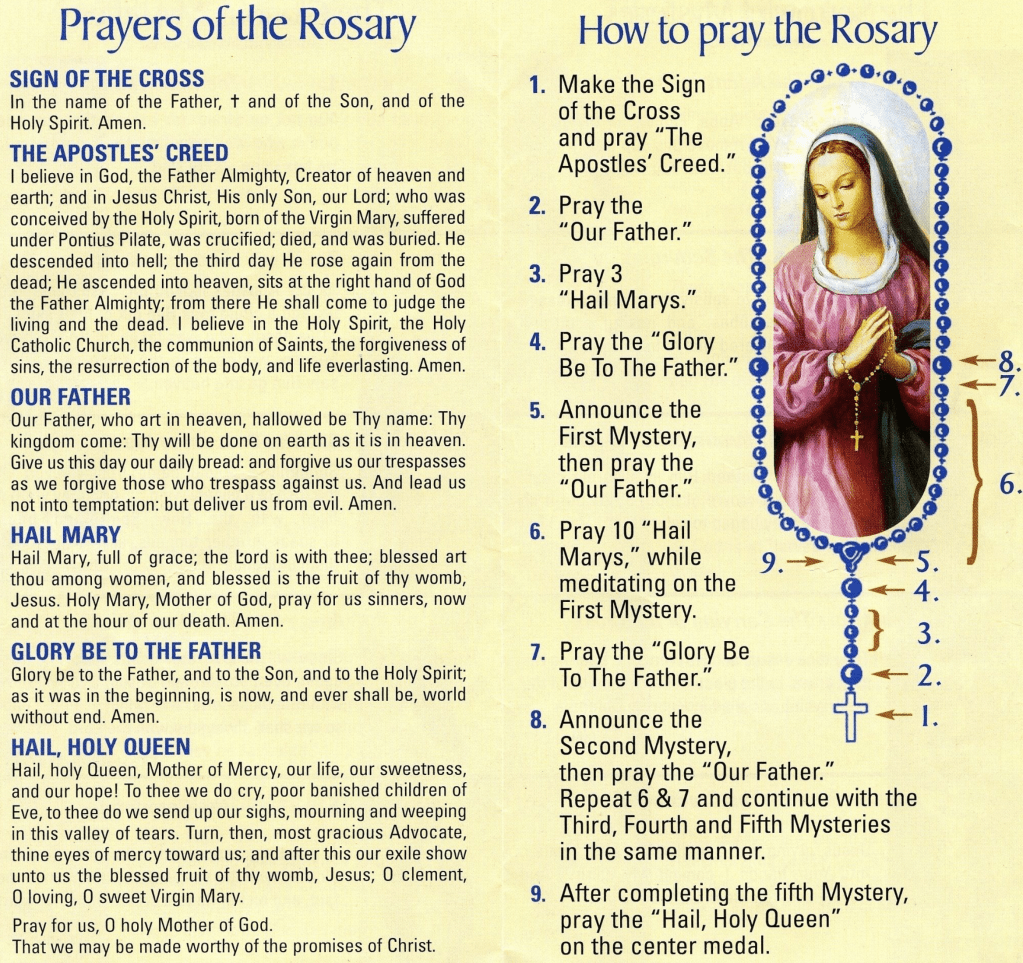
The Rosary

The Catholic Rosary is a meditative, Scripture-based prayer that honors the Virgin Mary and centers on contemplating the life of Jesus and His mother. It uses a string of beads to guide the prayer, which involves reciting specific prayers like the Our Father, Hail Mary, and Glory Be while meditating on a series of “Mysteries”—events from Christ’s public life and the lives of Jesus and Mary. The four sets of Mysteries are the Joyful, Sorrowful, Glorious, and Luminous which are outlined immediately below, and followed by the Prayer itself.
Joyful Mysteries (Monday and Saturday)
- The Annunciation, Lk 1: 26-38
- The Visitation of Mary to Elizabeth, Lk 1: 39-45
- The Birth of Jesus, Lk 2: 1-7
The Luminous Mysteries(Thursday)
- The Baptism of Jesus in the River Jordan, Lk: 21-22 and Mt 3: 13-17
- The Wedding at Cana, Christ Manifested, Jn 2:1-11
- Jesus proclaims the Kingdom of God and invites us to convert, Mk 1:14-15
The Sorrowful Mysteries (Tuesday and Friday)
- The Prayer of Jesus on the Mount of Olives, Mt 26: 36-46
- The Scourging of the Lord, Lk 18: 31-34; Jn 18: 38-40; 19:1
- Jesus is Crowned with Thorns, Jn 19: 2-7
The Glorious Mysteries
- The Resurrection of Jesus Christ, Mt 28:1-7
- The Ascension, Lk 24: 50-51
- The Descent of the Holy Spirit, Acts 1: 12-14; 2: 1-4
Prayer for the Canonization of Fr. McGivney

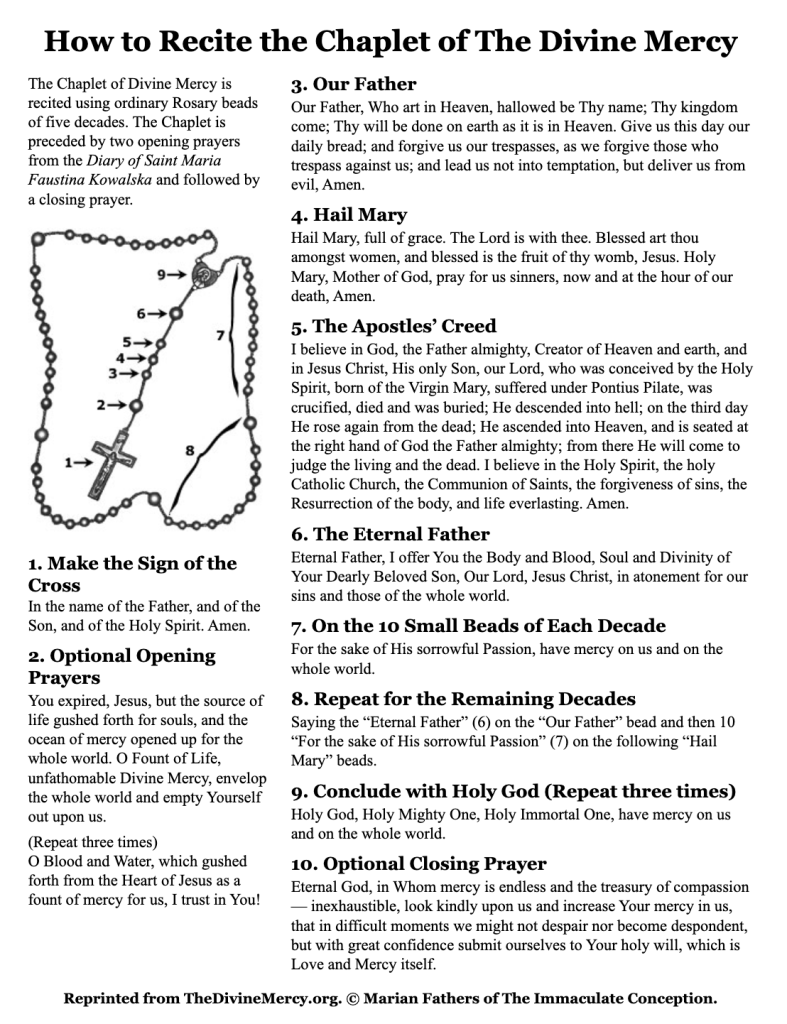
Chaplet of the Divine Mercy Prayer
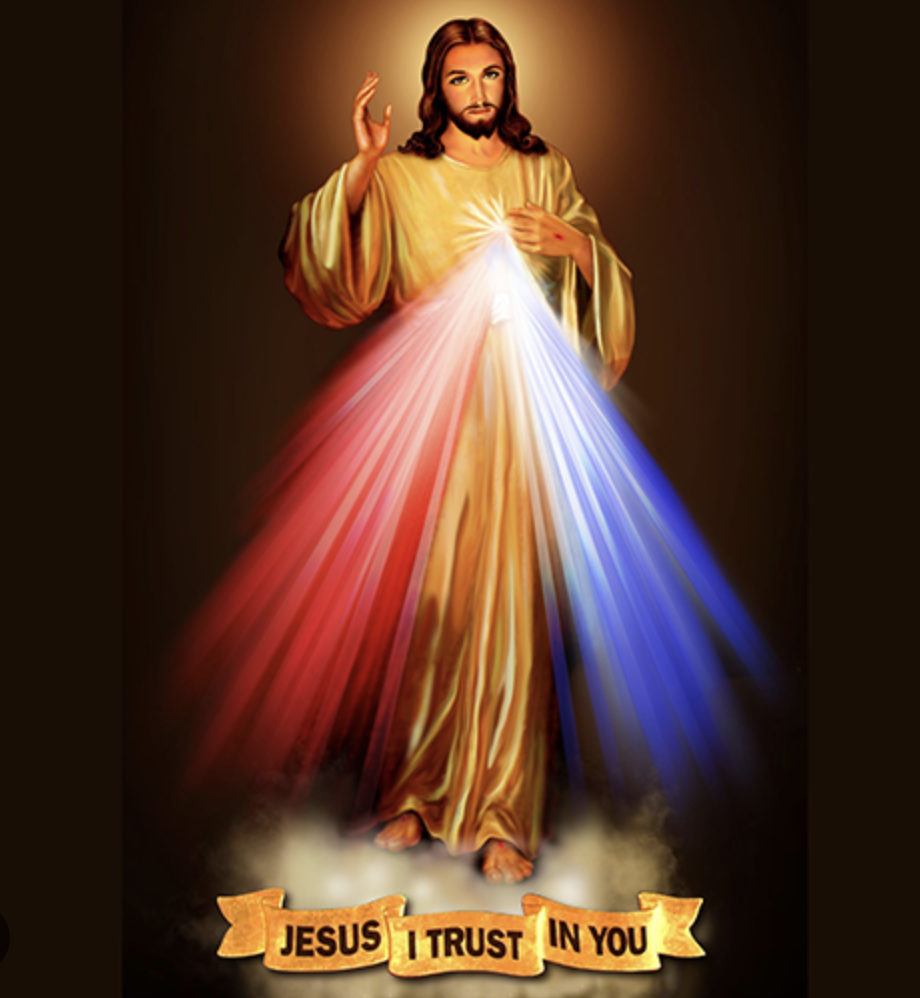
The history of the Divine Mercy Chaplet begins in the 1930s with private revelations to the Polish nun, Saint Maria Faustina Kowalska, who was given the prayers of the chaplet by Jesus in a vision. The devotion to the Chaplet, which is prayed on a rosary, spread after St. Faustina’s death and gained significant momentum following her canonization by Pope John Paul II in 2000 and the establishment of Divine Mercy Sunday.
The Memorare

The Memorare gets its name from the Latin word for “remember,” which is the first word of the prayer. The prayer’s widespread popularity is credited to the 17th-century priest Father Claude Bernard.
For each of us looking to deepen our relationship with Our Lord, understanding the meek request made to our Blessed Mother for her aid and intercession through the Memorare, and implementing its recitation into our daily lives opens the door to obtaining many graces.
As St. Maximilian Kolbe reminds us, “our dependence on Mary is greater than we can imagine.”
The Memorare prayer is as follows:
Remember, O most gracious Virgin Mary, that never was it known that anyone who fled to thy protection, implored thy help, or sought thy intercession, was left unaided.
Inspired by this confidence, I fly unto thee, O Virgin of virgins, my Mother. To thee do I come, before thee I stand, sinful and sorrowful. O Mother of the Word Incarnate, despise not my petitions, but in thy mercy hear and answer me.
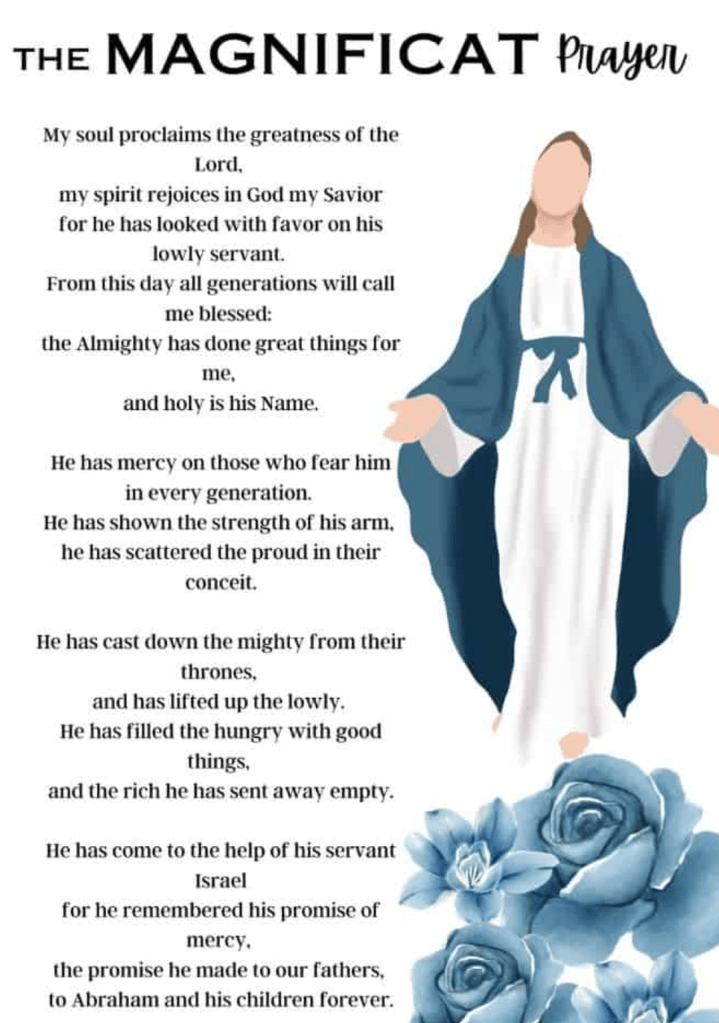
The Magnificat Prayer
Mary’s Song, also known as the Magnificat and found in Luke 1, speaks of the spirit and the power of God. In this canticle, Mary speaks of how her soul magnifies the Lord and how God regarded the lowly maidservant. She informs us that generations to come will call her blessed
 Wilton Knights Of Columbus